
The Ultimate Homeowner’s Guide to Hiring a Locksmith in 2024 – Why Transparency, AI, and Escrow Matter
When you’re locked out of your front door at 2 a.m. or need a deadbolt replaced after a break‑in, the last thing you want is a marathon of phone‑tag, vague…
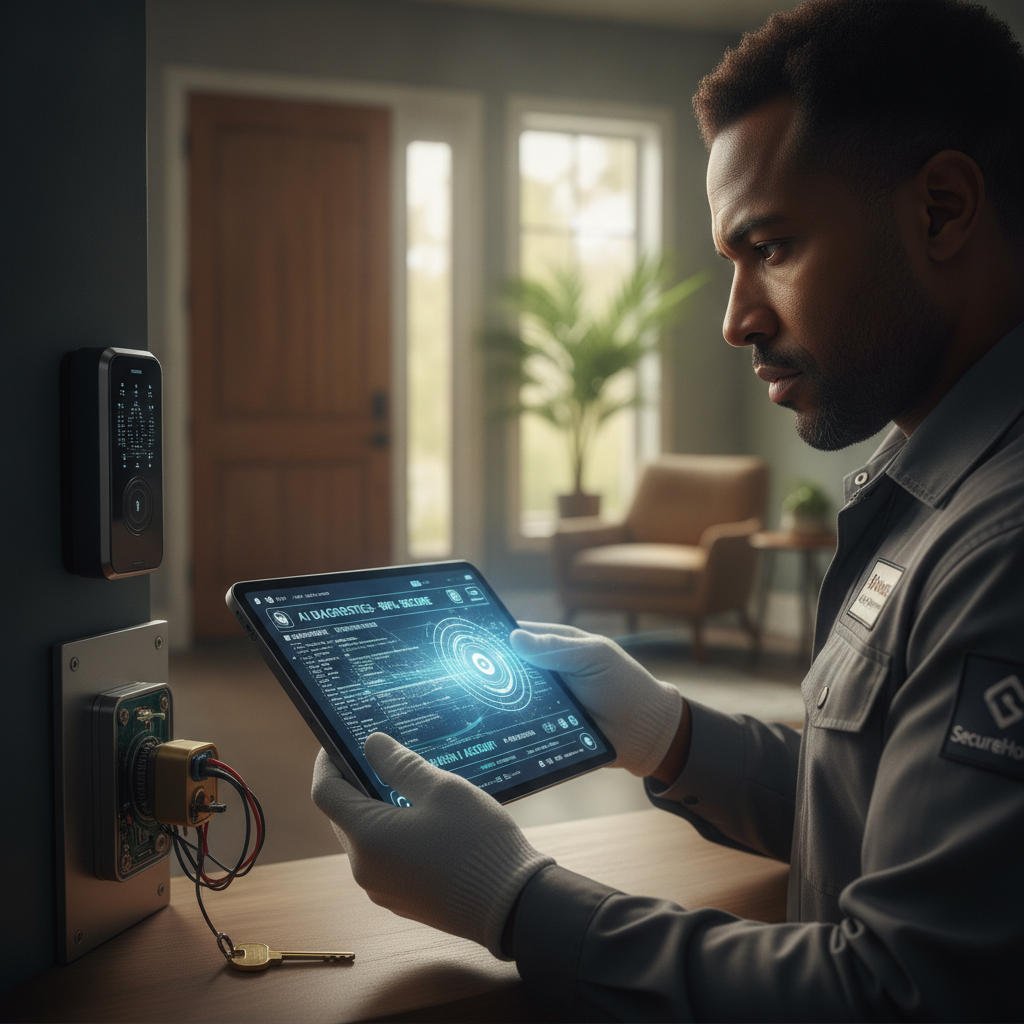
When you’re locked out of your front door at 2 a.m. or need a deadbolt replaced after a break‑in, the last thing you want is a marathon of phone‑tag, vague estimates, and surprise fees. Unfortunately, that is exactly the experience most U.S. homeowners endure when they search for a “locksmith near me.”
A 2024 consumer‑complaint survey found 38 % of respondents reported paying more than the quoted price for locksmith services, and the FTC’s Consumer Sentinel Network logged 1,842 locksmith‑related complaints in 2023‑24, many citing hidden fees and unqualified providers. Add to that the $30‑$100 per‑lead fees that platforms like Thumbtack charge contractors (Thumbtack Pro pricing, 2024), and you have a market riddled with opacity and extra costs for both seekers and providers.
Enter PLMBR, an AI‑native home services workflow and payments platform that replaces the broken phone‑tag/lead‑fee model with structured, escrow‑backed booking packets, transparent line‑item pricing, and zero‑lead‑fee provider connections. In this guide we’ll walk you through everything you need to know before hiring a locksmith, expose the hidden pitfalls of the traditional hiring workflow, and show exactly how PLMBR solves them.
What Homeowners Need to Know About Locksmith Services
Locksmiths handle a surprisingly wide range of jobs, from simple key duplication to high‑security lock re‑keying, commercial access control, and emergency lockout rescue. Understanding the scope of services helps you ask the right questions and avoid costly misunderstandings.
| Service Type | Typical Scenarios | Typical Timeframe |
|---|---|---|
| Residential lockout | Door won’t open, lost keys | 5‑30 minutes (on‑site) |
| Re‑keying / key duplication | New tenants, lost keys | 15‑45 minutes |
| Deadbolt / smart lock installation | Upgrade security, smart home integration | 30‑90 minutes |
| Commercial access control | Office doors, keypad systems | 1‑4 hours (depends on size) |
| Safe & vault opening | Lost combinations, emergency access | 30‑120 minutes |
Scroll to see all columns →
Key takeaways
- Emergency jobs (lockouts) command premium rates but should still be price‑transparent.
- Structured quotes that break down labor, parts, and any permits prevent “scope creep.”
- Licensing and insurance are non‑negotiable for commercial work and highly recommended for residential jobs.
Cost, Risk, and Hiring Reality
Before you call a locksmith, you should have a realistic sense of what the market charges and where hidden costs hide. Below is a snapshot of typical pricing, plus the extra risks that can inflate your bill.
| Job | Low‑End Price* | Avg‑Mid Price** | High‑End Price*** | Common Hidden Fees |
|---|---|---|---|---|
| Emergency residential lockout | $70 | $120 | $200 | “After‑hours surcharge” |
| Re‑key a 3‑door home | $80 | $150 | $250 | “Travel fee” |
| Deadbolt installation (single) | $100 | $180 | $300 | “Hardware markup” |
| Smart lock install (Wi‑Fi) | $150 | $250 | $450 | “App subscription fee” |
| Commercial access control (small office) | $300 | $550 | $1,200 | “Programming fee”, “Permit cost” |
Scroll to see all columns →
*Based on HomeAdvisor 2024 pricing guide.
**Average of 2024 market data across NY, MA, and PA.
***High‑end quotes from premium providers or urgent after‑hours calls.
Why the Numbers Vary
- Location & urgency – New York City and Boston command higher rates due to labor costs and tighter licensing.
- Transparency gap – Many locksmiths give a “call‑back” estimate and then add fees once on site, which is why 38 % of customers feel overcharged (LocksmithKeyless 2024).
- Lead‑fee pressure – Contractors paying $30‑$100 per lead (Thumbtack) often raise baseline prices to recoup that cost, passing it onto you.
How to Vet Locksmith Providers Without Getting Burned
The internet is flooded with “24‑hour locksmith” ads, some of which are outright scams. Follow this step‑by‑step vetting checklist to protect yourself.
-
Check Licensing & Insurance
- Verify the locksmith holds a state‑issued license (most states require it for commercial work).
- Request proof of liability insurance and workers’ compensation.
-
Read Real Reviews & BBB Ratings
- Look for patterns of “overcharging” or “no receipt” complaints.
- The Better Business Bureau (BBB) flags many locksmith scams; a rating ≥ A‑ is a good sign.
-
Ask for a Structured Quote
- Insist on a line‑item breakdown (labor, parts, travel, taxes).
- Ask whether the quote is fixed or estimate‑based.
-
Confirm Payment Method
- Secure platforms that hold funds in escrow (e.g., Stripe‑powered escrow) protect you until the job is verified.
-
Check for Red Flags
- “We only accept cash” or “We don’t give receipts.”
- “Our number is police‑approved” without verifiable credentials.
Pro‑Tip: If a provider hesitates to share licensing info or a detailed quote, walk away. Reputable locksmiths understand that transparency builds trust.
Where the Old Workflow Breaks
Traditional locksmith hiring is a cascade of friction points that waste time and money.
| Broken Step | Homeowner Pain | Why It Happens |
|---|---|---|
| Phone‑tag intake | Spend 2‑3 hours repeating the same issue to multiple providers. | No unified intake; each locksmith asks for the same photos and description. |
| Vague “call‑back” estimates | Uncertainty, surprise bills. | Providers avoid committing to price until they see the door. |
| Hidden fees & scope drift | “I thought it was $150, now it’s $350.” | Lack of line‑item pricing; “travel fee,” “after‑hours surcharge.” |
| Lead‑fee pressure on contractors | Higher base rates passed to you. | Platforms charge $30‑$100 per lead (Thumbtack). |
| No escrow, cash‑first payment | Fear of being scammed or overcharged. | Traditional models require cash or prepaid deposits without verification. |
| Fragmented communication | Photos and details scattered across texts, emails, and voicemails. | No single thread for quoting, messaging, and billing. |
Scroll to see all columns →
These gaps are not just inconveniences; they create a breeding ground for scams and price inflation. The FTC’s 2023‑24 data (1,842 complaints) underscores how widespread these issues have become.
How PLMBR Changes This Workflow
PLMBR is built from the ground up to eliminate every friction point listed above. Here’s a step‑by‑step look at the AI‑native workflow that makes hiring a locksmith (or any home‑service professional) painless, transparent, and secure.
1. Conversational AI Intake
- You describe the problem in plain English, attach photos, and the AI instantly identifies the trade, urgency, and location.
- Smart follow‑up questions appear only when they improve match quality, cutting down on unnecessary back‑and‑forth.
2. Semantic Search & Matching
- Using vector embeddings, PLMBR finds the best‑fit locksmiths based on trade, distance, availability, ratings, and trust signals—not just keyword matches.
3. Booking Packet Builder (Provider Side)
- Providers generate a structured booking packet with line‑item pricing, labor estimates, parts, and terms—all inside the platform.
4. Compare‑Packets UI (Homeowner)
- You view side‑by‑side comparisons of multiple locksmith packets, each with a clear breakdown of costs, timeline, and warranty. No more guesswork.
5. In‑Context Messaging & AI Agent Coordination (Premium)
- A personal AI agent can outreach to multiple locksmiths simultaneously, track each provider’s response, and surface any clarifying questions directly in the chat thread.
6. Escrow‑Backed Payments (Stripe Connect)
- Funds are authorized and held in escrow until the job is marked complete by both parties. Progressive billing lets larger projects be paid milestone‑by‑milestone.
7. AI‑Mediated Dispute Resolution
- If the work isn’t satisfactory, the AI collates evidence (photos, messages, contracts) and recommends a resolution, reducing the need for costly legal action.
8. Zero‑Dead‑Leads for Locksmiths
- Providers only see qualified, real jobs—no pay‑per‑lead traps, no wasted time chasing dead ends.
By stitching together these components, PLMBR turns a chaotic, high‑risk hiring process into a single, transparent workflow that benefits both sides.
Quick Comparison: Traditional lead‑gen platforms → $30‑$100 lead fee per job (Thumbtack) + vague quotes.
PLMBR → No lead fees, structured quotes, escrow payment, AI‑driven coordination.
Essential Questions to Ask Before Hiring a Locksmith
Even with PLMBR’s safeguards, it’s wise to confirm a few details before authorizing work.
- Are you licensed in [your state] and can you provide the license number?
- Do you carry general liability and workers’ compensation insurance?
- Can you break down the quote into labor, parts, travel, and any surcharges?
- What is your policy on payment—do you accept escrow‑backed payment through Stripe?
- How do you handle warranty or post‑service support?
- If the job isn’t completed to my satisfaction, what is the dispute process?
Having clear answers to these questions will give you confidence that the locksmith is both qualified and transparent.
Conclusion: Choose Clarity, Speed, and Protection
Hiring a locksmith doesn’t have to be a gamble. The industry’s legacy of phone‑tag, hidden fees, and lead‑fee‑driven price inflation leaves homeowners vulnerable. By leveraging AI‑enhanced intake, semantic matching, structured booking packets, and escrow‑backed payments, PLMBR eliminates the guesswork and protects your wallet.
Ready to lock in a transparent quote for your next lock change, smart‑lock install, or emergency lockout?
- Visit the PLMBR homepage to see how the platform works.
- Find Locksmith pros on PLMBR for your city (e.g., Boston, New York City, Philadelphia).
- Compare quotes on PLMBR and choose the best‑fit provider with confidence.
- For more home‑service guides, explore our blog.
Stop the endless phone tag. Stop paying hidden fees. Let an AI‑native workflow give you the control, clarity, and peace of mind you deserve—starting with the simple act of turning a key.
External Resources & Further Reading
- Federal Trade Commission – Consumer Sentinel Network (Locksmith complaints)
- Better Business Bureau – Locksmith ratings & complaints
- This Old House – How to Choose a Locksmith
- National Association of Professional Locksmiths (NAPL) – Licensing guidelines
All data referenced is current as of July 2026.